Persian
 arabic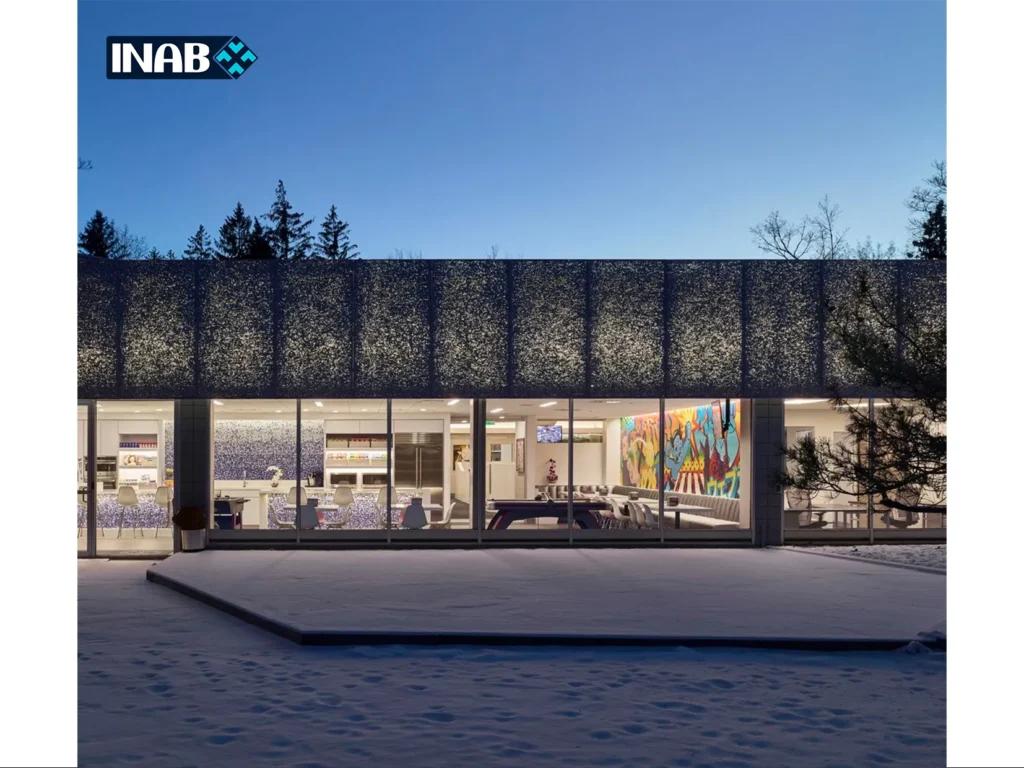
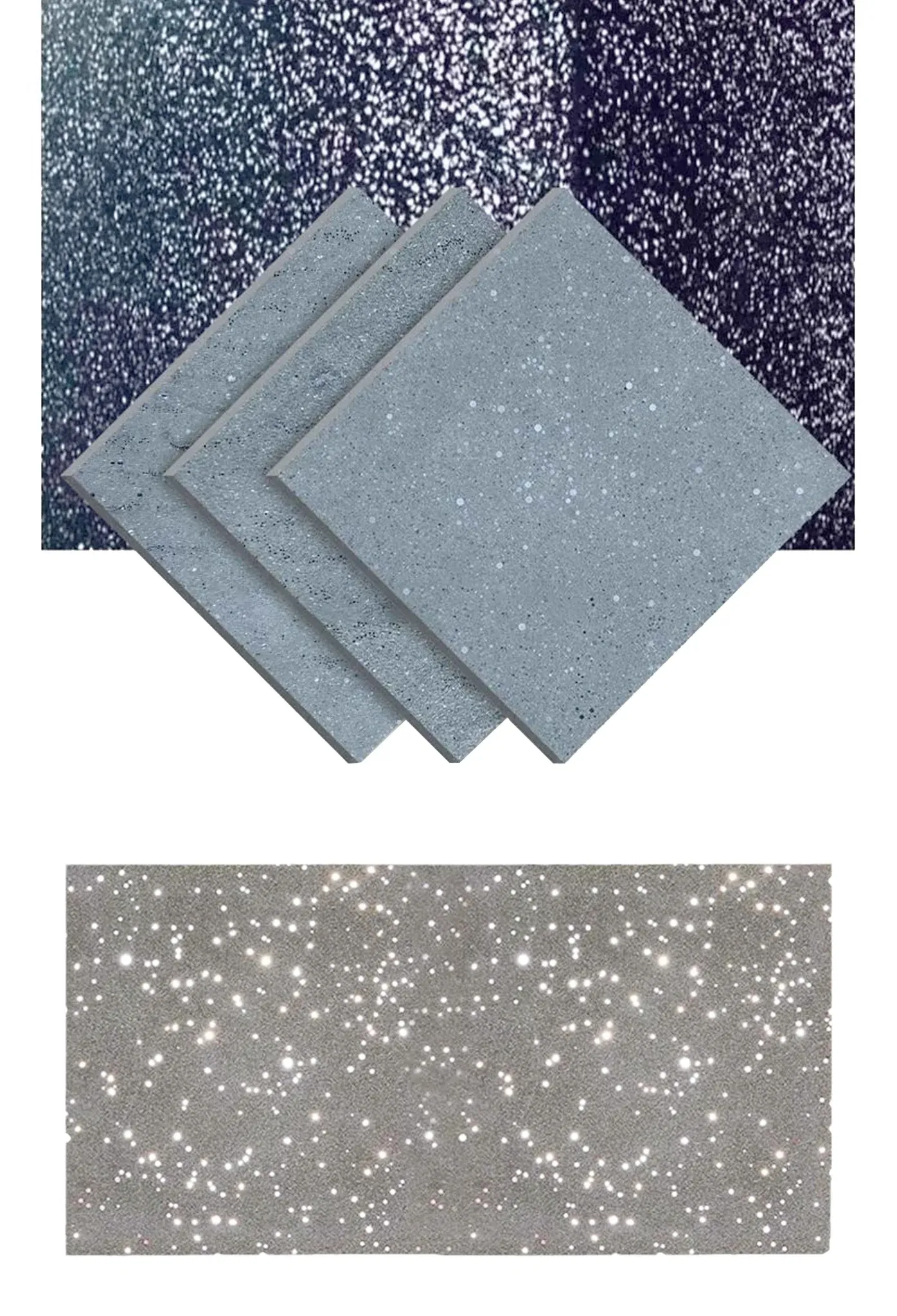
In 2001, this dream became a reality with the invention of “LiTraCon” by Hungarian architect Áron Losonczi. By intelligently combining ultra-thin glass fibers with concrete, Losonczi succeeded in creating a material that maintained the strength and durability of concrete while also allowing light to pass through.
This innovation transformed transparent concrete into a unique building material that has since been widely used in modern architectural projects.
In the production process of LiTraCon, glass fibers are uniformly distributed throughout the concrete mixture. These fibers, thanks to their optical properties, can transmit light from one side to the other while fully integrated into the concrete structure, maintaining its inherent strength. The mixture is then subjected to pressure and heat, forming durable, light-transmitting concrete blocks.
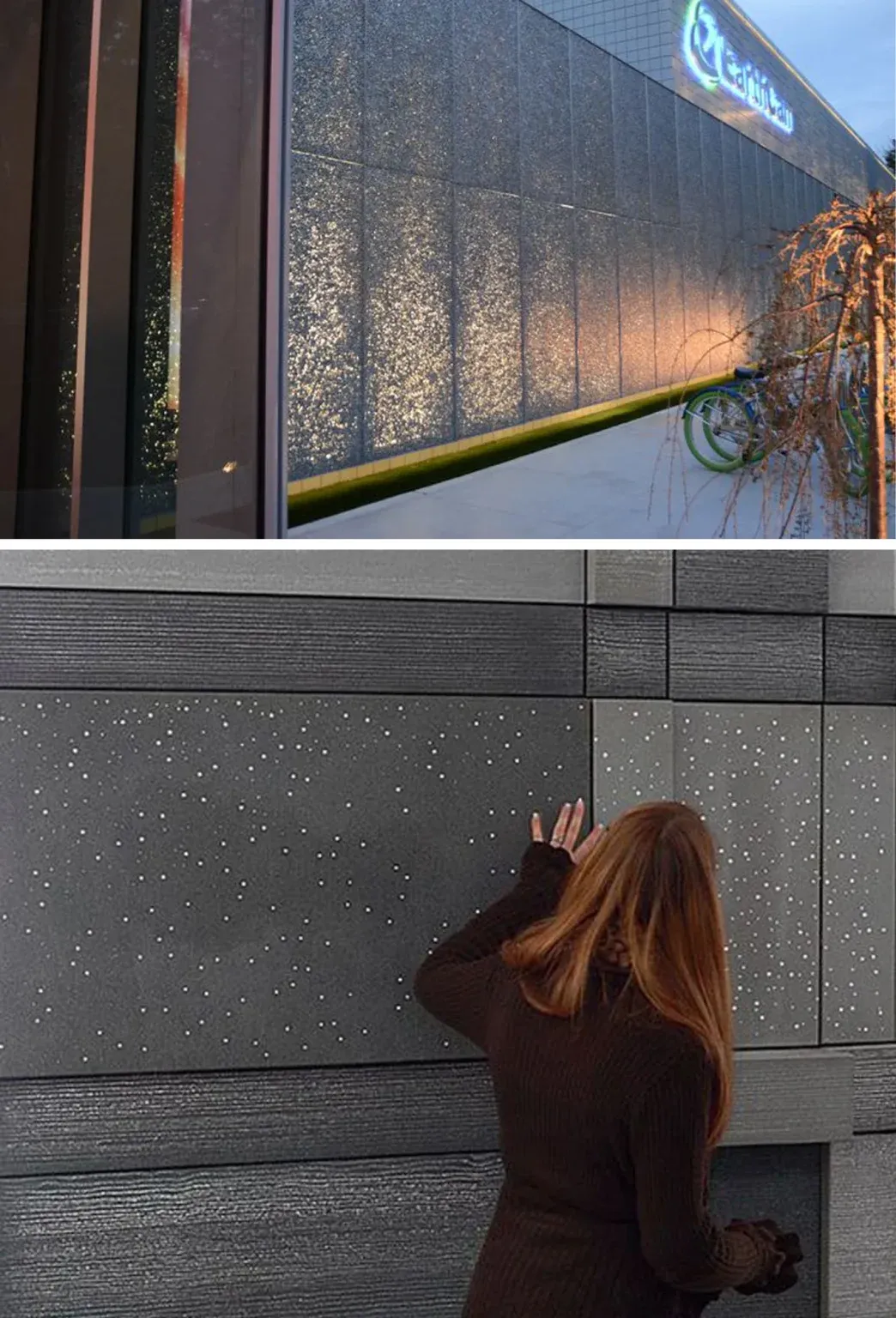
Since its inception, transparent concrete has found diverse applications in architectural projects, especially in building facades, interior walls, and public spaces. Its unique light-transmitting capabilities also classify it as a green building material, helping to reduce energy consumption and improve overall building efficiency.
What is Transparent Concrete?
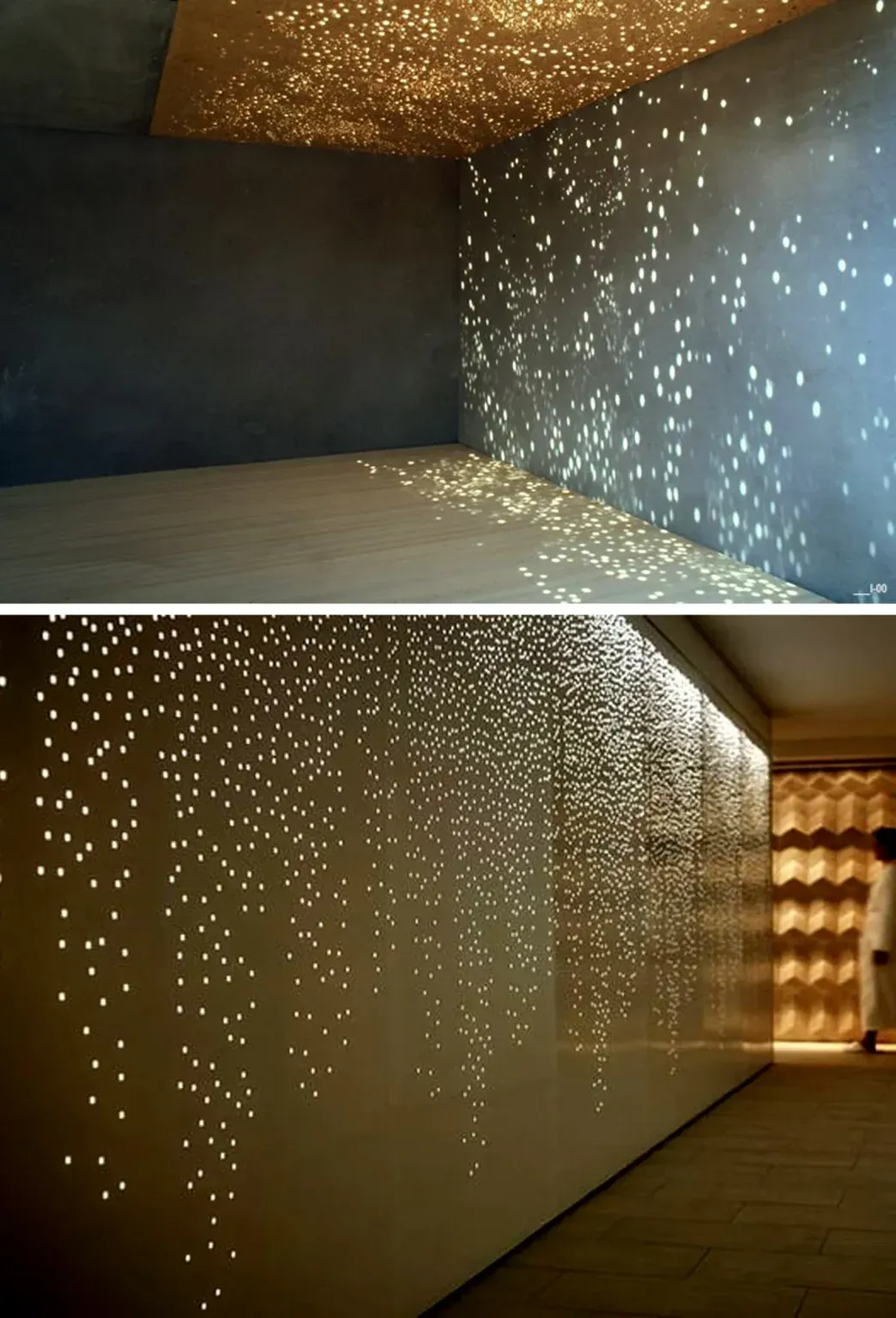
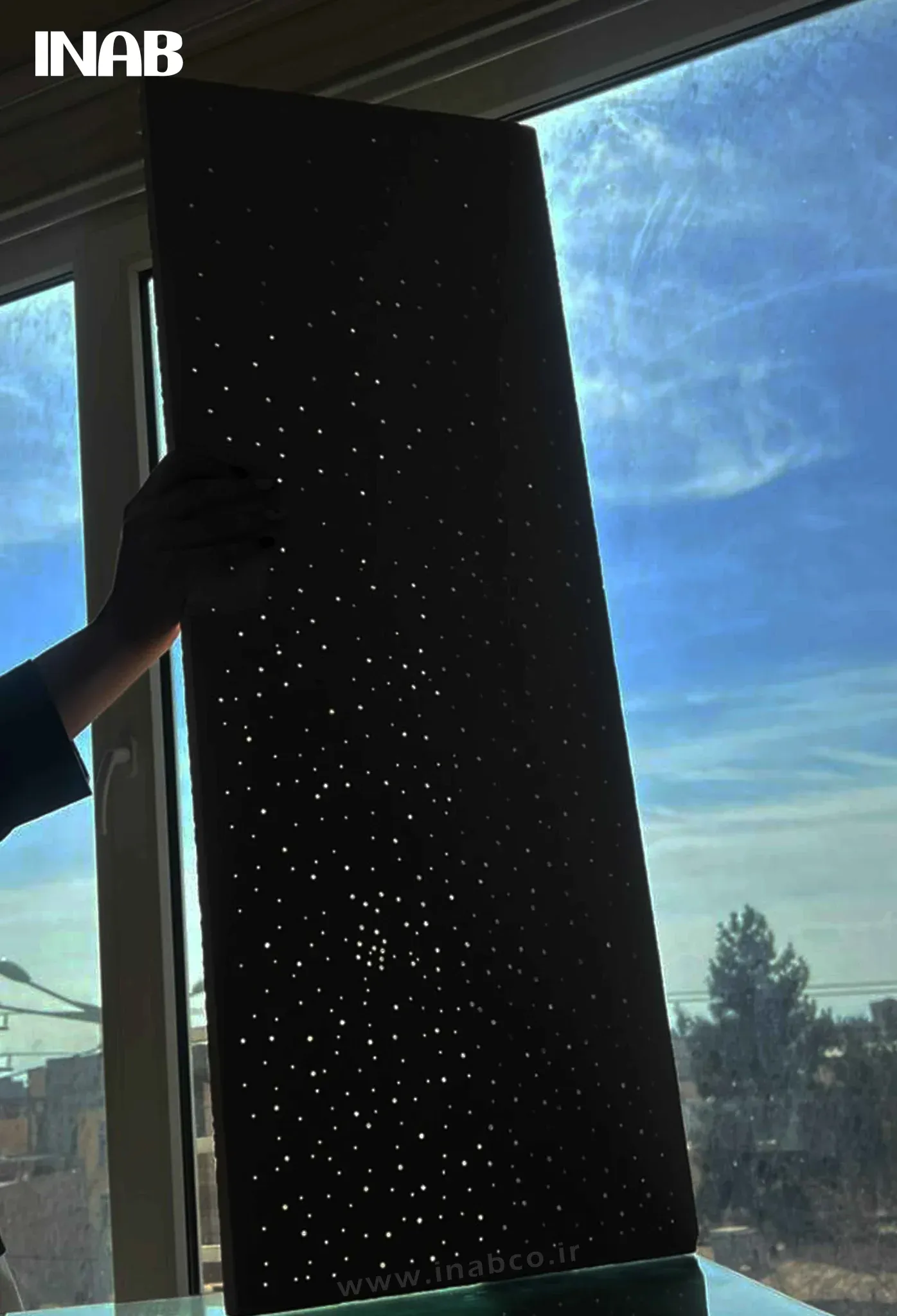
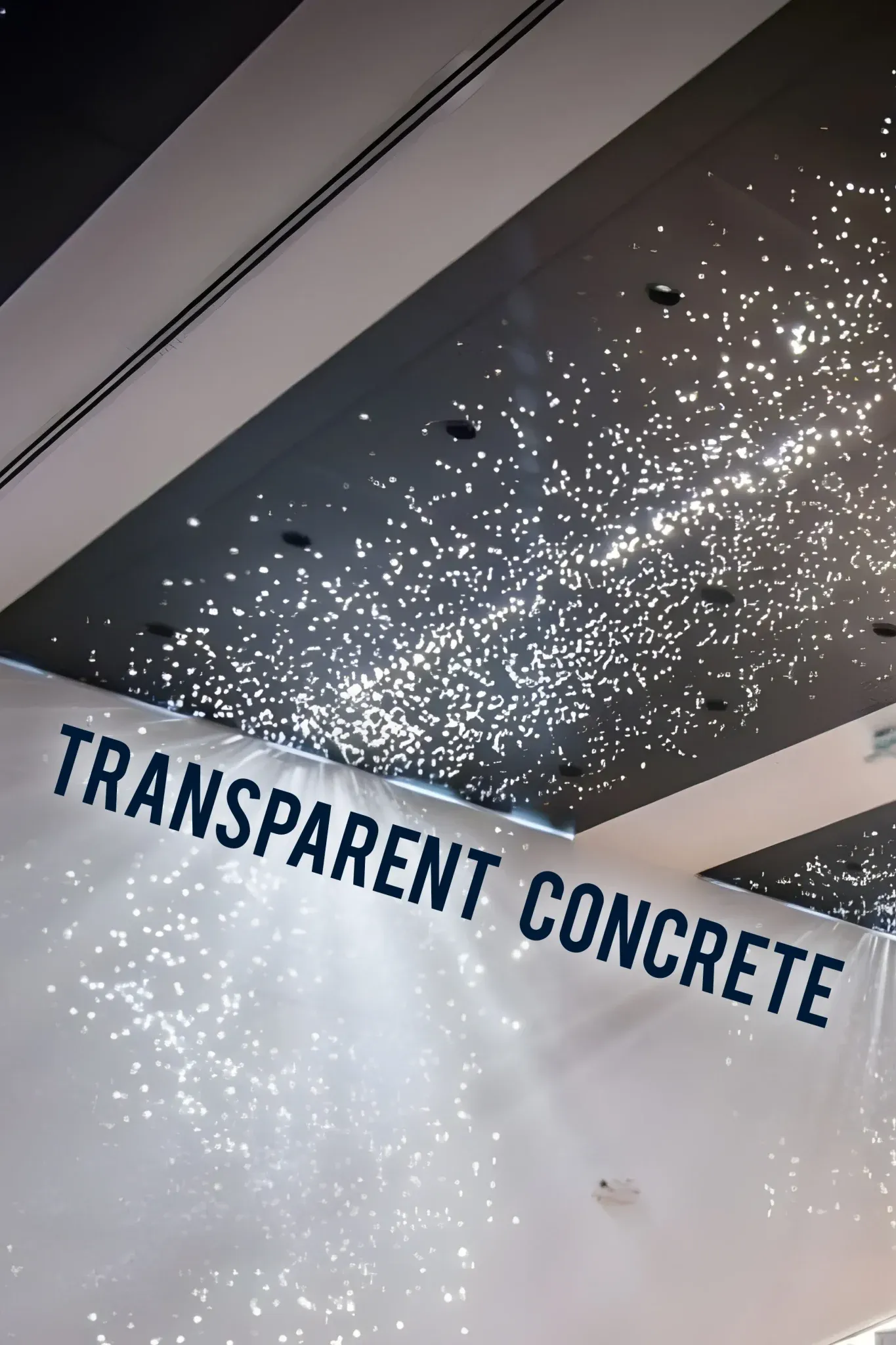
Transparent concrete represents a groundbreaking innovation in the construction industry. It’s essentially concrete infused with optical or glass fibers that allow light to pass through the material. These fibers are evenly distributed throughout the mixture, enabling light transmission from one side to the other without compromising the concrete’s strength and durability. This unique characteristic empowers designers to create bright and visually striking spaces using natural light, which, in turn, reduces energy consumption and minimizes the reliance on artificial lighting.
Transparent concrete is recognized as a green and sustainable solution widely adopted in modern architectural projects. This innovative material helps create brighter spaces, optimize energy consumption, and reduce greenhouse gas emissions.
This versatile technology finds applications in facades, walls, floorings, and urban furniture, enhancing both aesthetic appeal and functional design. Looking ahead, this innovative technology holds the potential for even broader application in architectural projects, fostering the construction of more sustainable and efficient buildings.
Purposes of using Litracon concrete
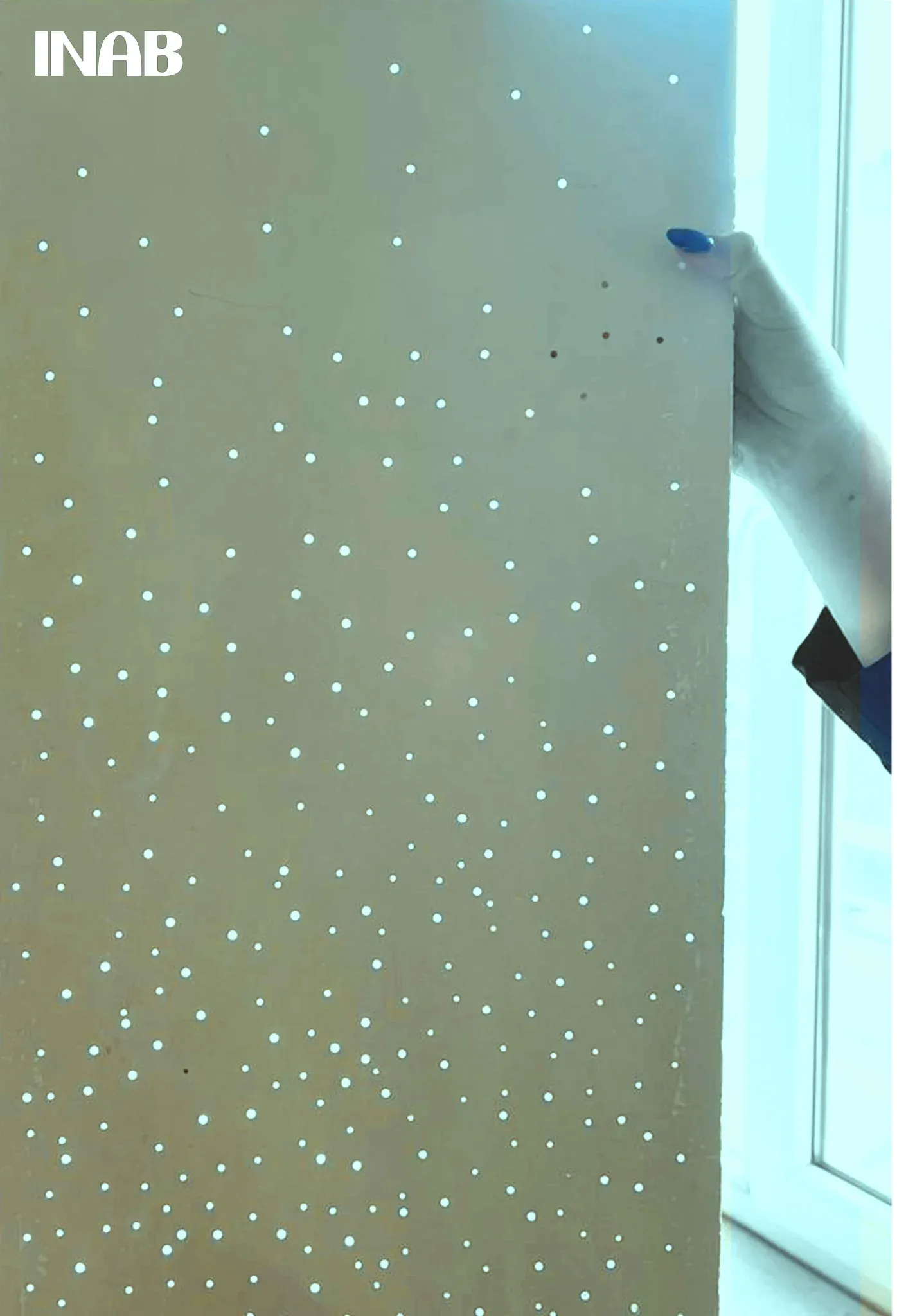
LiTraCon concrete, with its remarkable ability to transmit natural light, has truly sparked a revolution in the construction industry. Beyond its striking visual appeal, this innovative material offers a wide range of practical applications.
- Creating Bright, Natural Spaces: LiTraCon allows natural light to penetrate, helping create luminous and inviting spaces that need less artificial illumination. This not only cuts down energy consumption but also boosts a sense of tranquility within the environment.
- Fostering Creative Architectural Designs: LiTraCon empowers architects to bring innovative designs to life, featuring captivating facades and unique natural lighting effects. It truly pushes the boundaries of conventional aesthetics.
- Achieving Energy Savings: By significantly decreasing the reliance on artificial lighting, LiTraCon directly contributes to energy conservation. This is a crucial step toward creating more sustainable buildings.
- Enhancing Connection Between Indoor and Outdoor Spaces: This transparent concrete blurs the lines between interior and exterior areas, fostering a greater sense of connection and continuity within the built environment.
- Increasing Property Value: Buildings that incorporate LiTraCon often fetch higher market values due to their distinctive design and the unique features this material provides.
- Promoting Calming Environments: The soft, natural light filtered through transparent concrete creates a serene and pleasant atmosphere, which can effectively help reduce stress.
Characteristics of Transparent Concrete
Transparent concrete boasts unique properties that make it a groundbreaking material in architecture and construction:
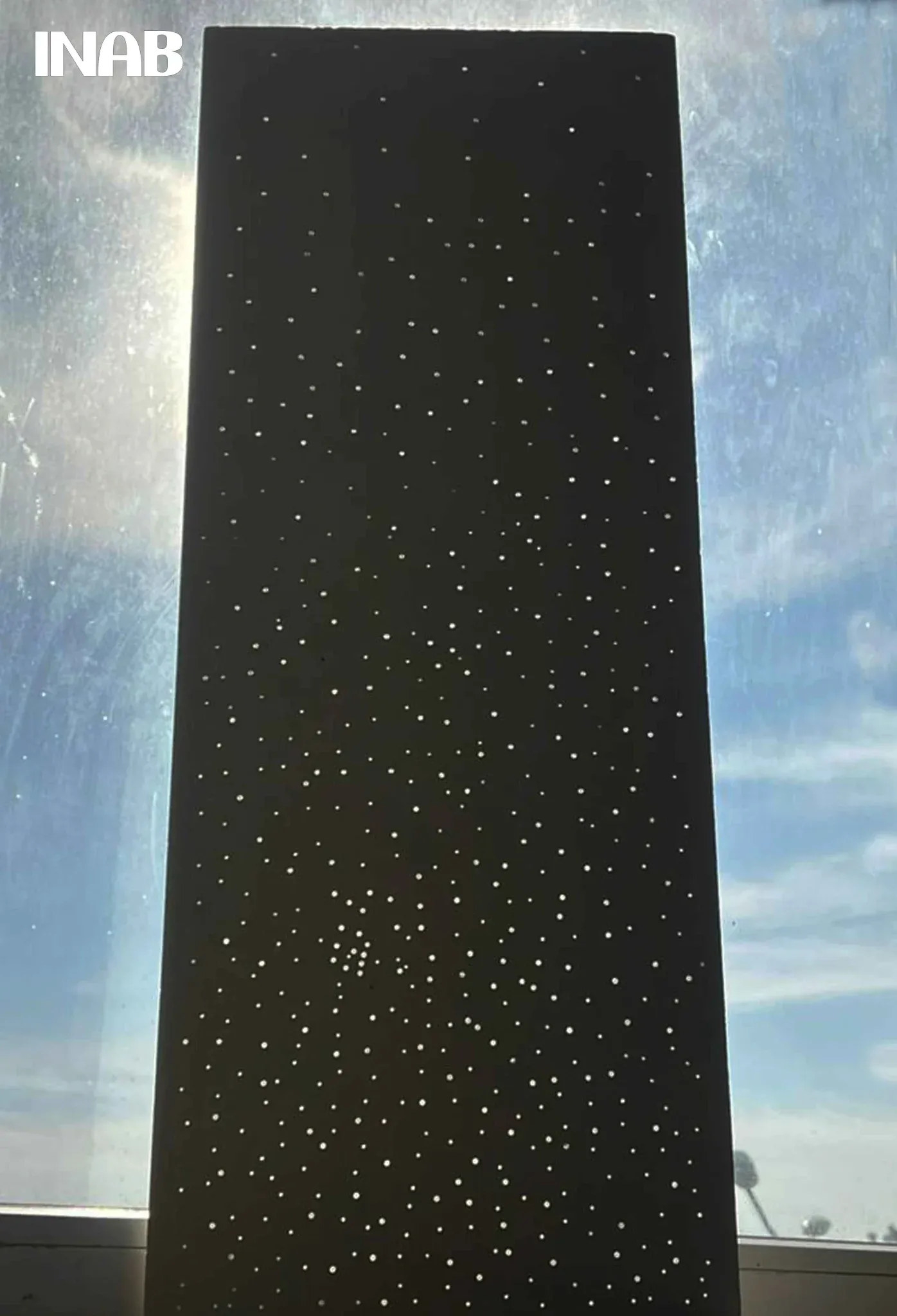
- Natural Light Transmission: The optical fibers embedded within transparent concrete allow natural light to pass through into interior spaces without compromising the material’s structural integrity. This feature makes transparent concrete an ideal choice for creating bright, naturally lit environments, reducing the need for artificial lighting during the day.
- High Strength and Durability: Much like traditional concrete, transparent concrete offers exceptional compressive and tensile strength. It also demonstrates high resistance to various weather conditions, ensuring its longevity and reliability as a building material.
- Transparent and Modern Aesthetic: Its transparent and sleek appearance transforms transparent concrete into a captivating element in architectural designs. This material empowers architects to adorn both interior and exterior spaces with innovative and visually stunning designs.
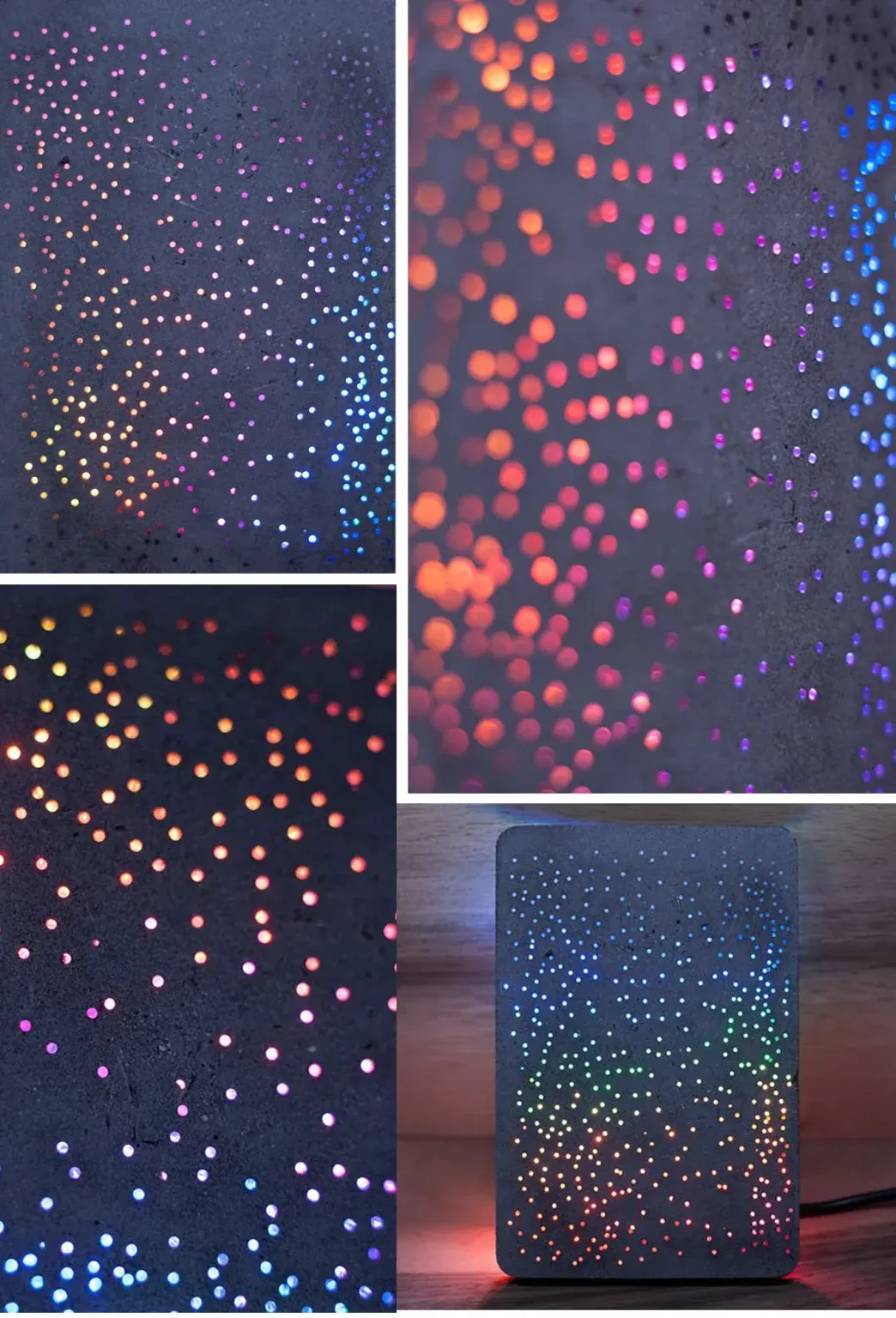
- Versatility in Design and Color: The optical fibers integrated into transparent concrete allow for the creation of diverse designs and patterns. This adaptability enables designers to seamlessly integrate transparent concrete with virtually any architectural style.
- Thermal Insulation Properties: Transparent concrete can also act as a thermal insulator, helping to prevent energy loss. This feature is particularly crucial in regions experiencing both hot and cold climates, contributing to greater energy efficiency.
- Fire Resistance: Certain types of transparent concrete offer fire resistance, making them suitable for use in buildings where fire safety is a paramount concern.
- UV Resistance: The optical fibers used in transparent concrete are resistant to ultraviolet (UV) radiation, ensuring they maintain their color and clarity over time without degradation.
Price of Transparent Concrete
Generally, the price of transparent concrete is higher than that of exposed concrete. This is primarily due to the use of more expensive raw materials, specifically optical fibers, and a more complex production process. Several factors influence the overall cost of this material:
- Specifications and thickness: Thicker panels or those with specific performance requirements will cost more.
- Volume of optical fibers used: A higher density of fibers for greater transparency will increase the price.
- Production location and transportation: Geographic location impacts manufacturing costs and shipping expenses.
- Project complexity: Intricate designs or custom shapes will add to the overall cost.
- Panel dimensions and design: Larger or custom-designed panels are typically more expensive.
Why Transparent Concrete Is a Smart Choice for Modern Architecture
Transparent concrete is a revolutionary material that fuses advanced technology with innovative design, breaking traditional architectural constraints by allowing light transmission while preserving structural strength. Typically embedded with optical fibers or resin, this material offers a unique blend of aesthetic, functional, and sustainable advantages. Below is an in-depth analysis of why transparent concrete is an ideal solution for visionary architects and developers.
1. Harmonizing Aesthetics with Structural Integrity
Transparent concrete uniquely combines the allure of light permeability with the durability and load-bearing capacity of conventional concrete.
Advantage: Enables the creation of visually captivating yet robust architectural elements that seamlessly balance form and function.
Application: Perfect for facades, interior partitions, or structural components demanding both beauty and strength.
2. Enhancing Energy Efficiency
By allowing natural daylight to permeate interior spaces, transparent concrete reduces the need for artificial lighting, significantly lowering energy consumption.
Advantage: Supports energy-efficient building designs aligned with global sustainability targets.
Application: Ideal for green buildings, commercial offices, and residential projects focused on minimizing operational costs and environmental impact.
3. Specialized Use in Demanding Environments
The material’s light-transmitting ability combined with enhanced safety makes it suitable for challenging applications where glass may be too fragile.
Advantage: Offers illumination without compromising security or durability.
Application: Well-suited for metro stations, bridges, underground passages, secure rooms, and public infrastructure requiring resilient, light-permeable materials.
4. Driving Design Innovation
Transparent concrete’s unique optical properties empower architects to explore dynamic lighting effects and sculptural forms.
Advantage: Enables creative, visually striking designs that elevate spatial experiences.
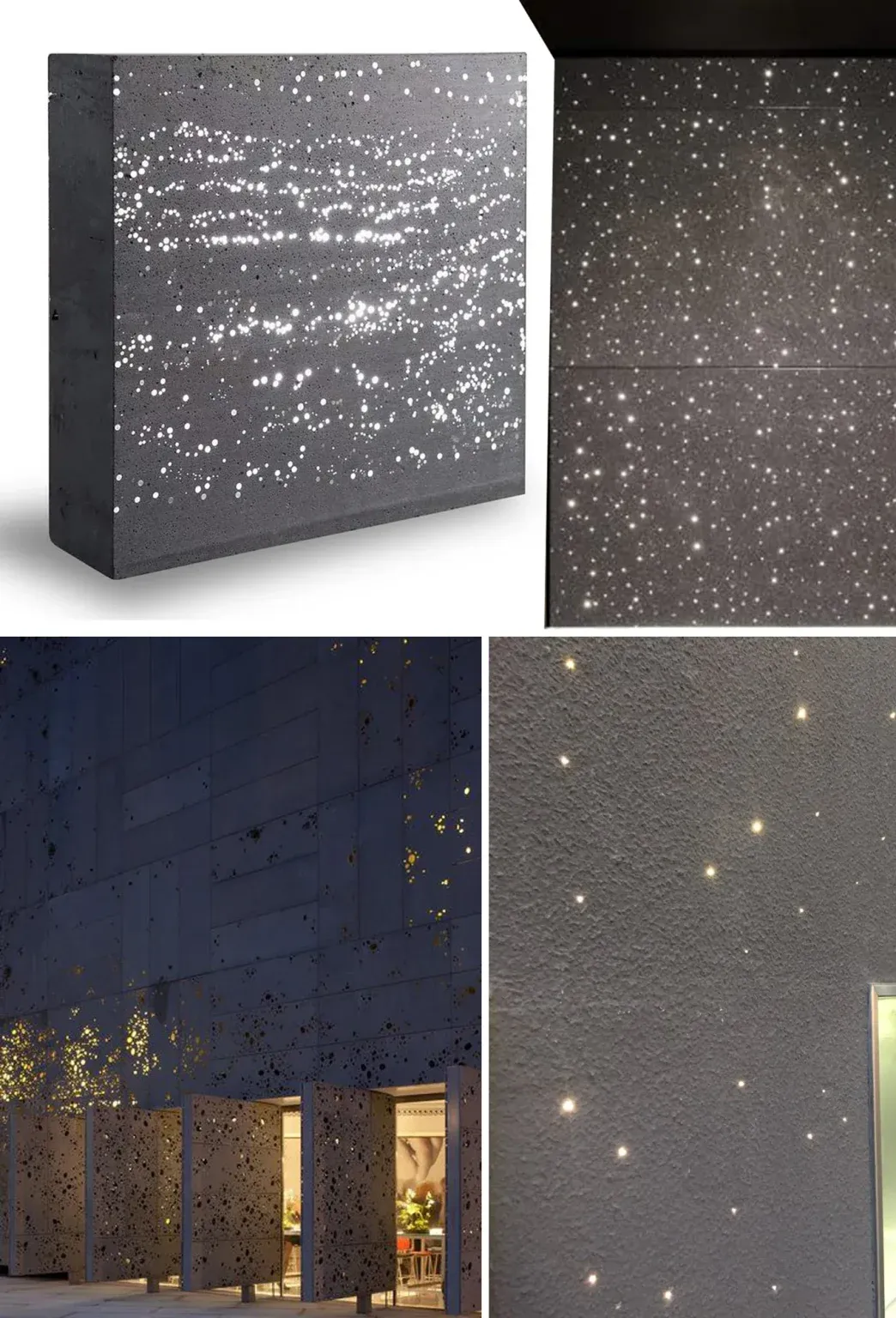
Application: Used in illuminated walls, branded logos, bespoke furniture pieces, and sophisticated interior designs for museums, galleries, or luxury environments.
5. Durability and Low Maintenance
Compared to glass, transparent concrete exhibits superior resistance to impact, abrasion, and environmental factors, resulting in lower maintenance requirements.
Advantage: Withstands heavy usage and harsh conditions, reducing long-term upkeep costs.
Application: Suitable for high-traffic areas, industrial facilities, and outdoor installations exposed to weathering.
6. Boosting Project Value
The modern aesthetic combined with high-performance characteristics enhances the architectural prestige and marketability of buildings.
Advantage: Elevates property value by integrating innovative design with practical functionality.
Application: Ideal for commercial towers, cultural institutions, and luxury residential developments aiming to attract discerning investors and tenants.
7. Exceptional Design Flexibility
Transparent concrete can be customized in a variety of colors, textures, and thicknesses, and can be seamlessly combined with materials like GFRC and metals.
Advantage: Provides architects with unparalleled creative freedom to tailor solutions to unique project demands.
Application: Perfect for bespoke architectural expressions, from minimalist facades to intricate artistic installations.
8. A Superior Alternative to Conventional Materials
Unlike glass, transparent concrete offers enhanced security and structural resilience, making it a viable alternative for walls, ceilings, and floors.
Advantage: Combines light transmission with greater strength and safety, mitigating risks associated with fragile materials.
Application: Ideal for load-bearing walls, flooring systems, or ceiling panels where both aesthetics and durability are paramount.
9. Advancing Sustainability and Smart Technologies
Transparent concrete supports eco-conscious architecture by incorporating recycled components and integrating smart technologies like light sensors and energy-efficient lighting.
Advantage: Reduces environmental footprint while enhancing building responsiveness to changing conditions.
Application: Complements sustainable design initiatives including smart facades and energy-optimized public buildings.
Conclusion
Transparent concrete represents a paradigm shift for architects and designers striving to blend aesthetic innovation, structural excellence, and sustainability. Its unique combination of beauty, durability, energy efficiency, and versatility positions it as an ideal material across diverse applications—from landmark public projects to cutting-edge commercial and residential developments. By embracing transparent concrete, architects—particularly in emerging markets such as Iran—can set new standards, shaping the future of architectural design with structures that are as inspiring as they are enduring.
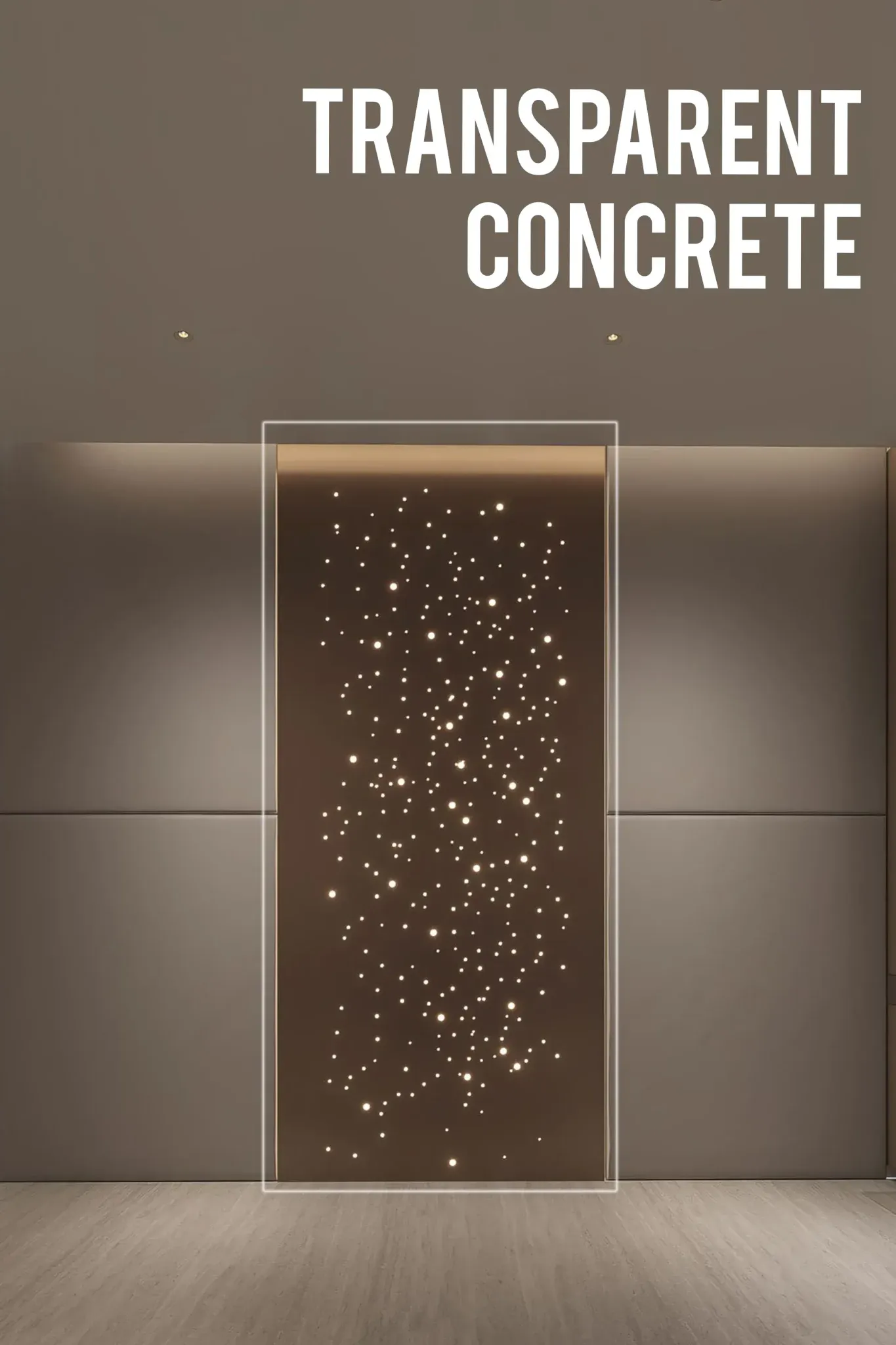
Diverse Applications of Transparent Concrete
Thanks to its unique properties, transparent concrete has found a wide range of applications across various industries. Some of its most prominent uses include:
- Construction: Used in walls, ceilings, floors, partitions, and urban furniture.
- Interior Design: Ideal for creating bright and inviting spaces in homes, offices, and public areas.
- Art and Sculpture: Employed in crafting luminous and interactive artworks.
- Infrastructure: Applied in the construction of bridges, tunnels, and underground spaces.
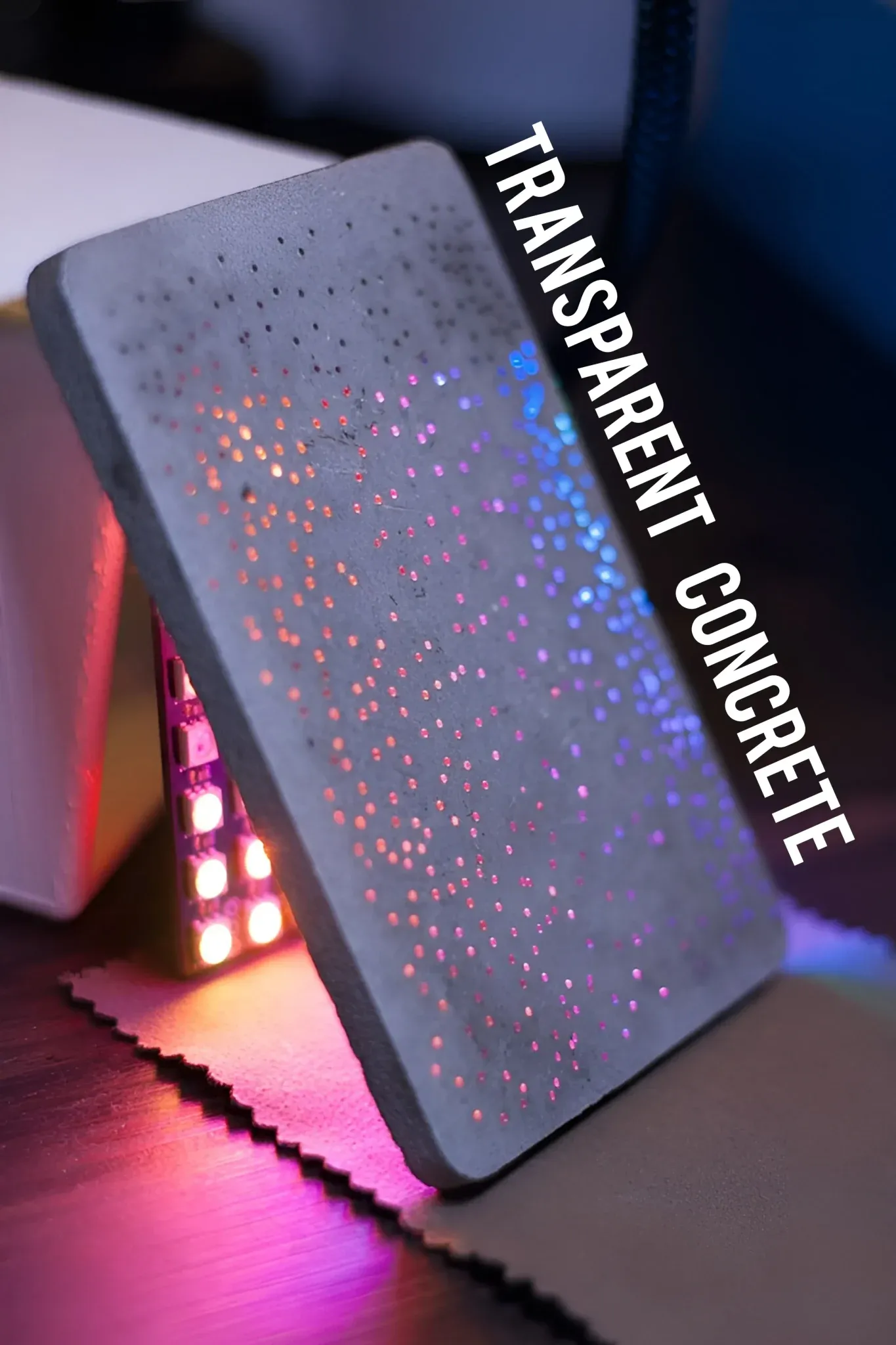
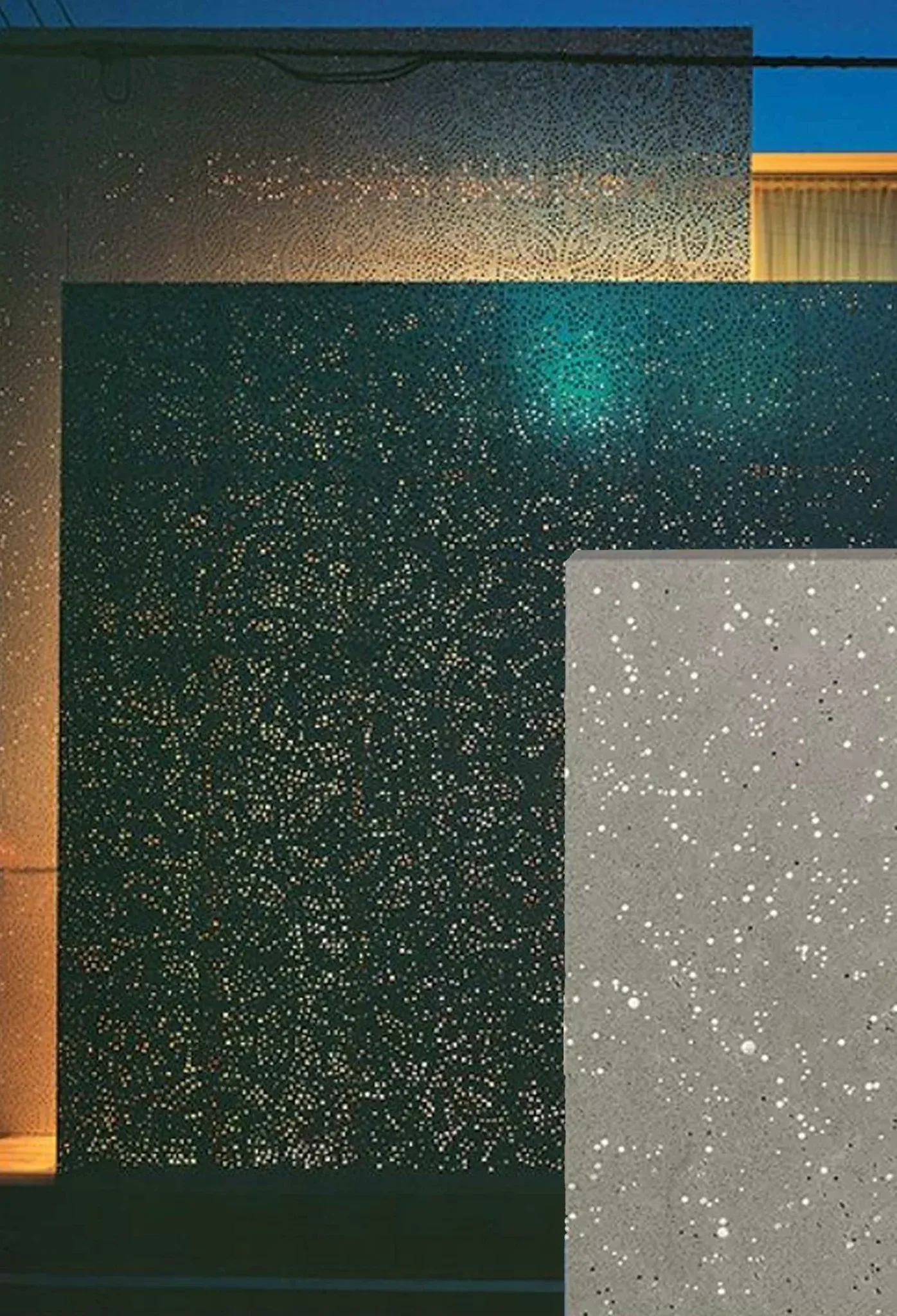
Production of Transparent Concrete
The production of transparent concrete involves several meticulous steps to ensure the uniform distribution of optical fibers and the material’s unique properties:
- Mold Preparation: The process begins by creating a mold in the desired shape and dimensions of the concrete element. This mold must be specifically designed to facilitate the uniform placement of optical fibers throughout the structure.
- Concrete Mix Preparation: At this stage, a specific concrete mix is prepared using cement, water, aggregates, and necessary additives. The precise ratio and composition of these materials depend on the type of concrete and its intended application.
- Pouring the First Layer of Concrete: A thin layer of concrete is poured at the bottom of the mold. This initial layer serves as a base for placing the optical fibers and ensures a smooth surface for their even distribution.
- Placing the Optical Fibers: Optical fibers are then laid evenly and in parallel over this first concrete layer. Their precise positioning is crucial to ensure light can easily pass through the concrete from one side to the other.
- Pouring the Second Concrete Layer: Once the fibers are precisely in place, a second layer of concrete is poured over them. This layer securely anchors the fibers and provides the necessary strength and structural integrity to the entire concrete block.
- Vibration (Compaction): The mold is then vibrated to eliminate any trapped air bubbles and ensure a homogeneous mix. This crucial step significantly enhances the overall quality of the concrete, improving both its density and mechanical strength.
- Curing: After the vibration process, the concrete undergoes a controlled curing period at a specific temperature. This phase is essential for the concrete to achieve its desired hardness and long-term durability.
- Demolding: Once the curing process is complete and the concrete has reached sufficient strength, the finished piece is carefully removed from the mold. It’s then ready for integration into various architectural and design projects.
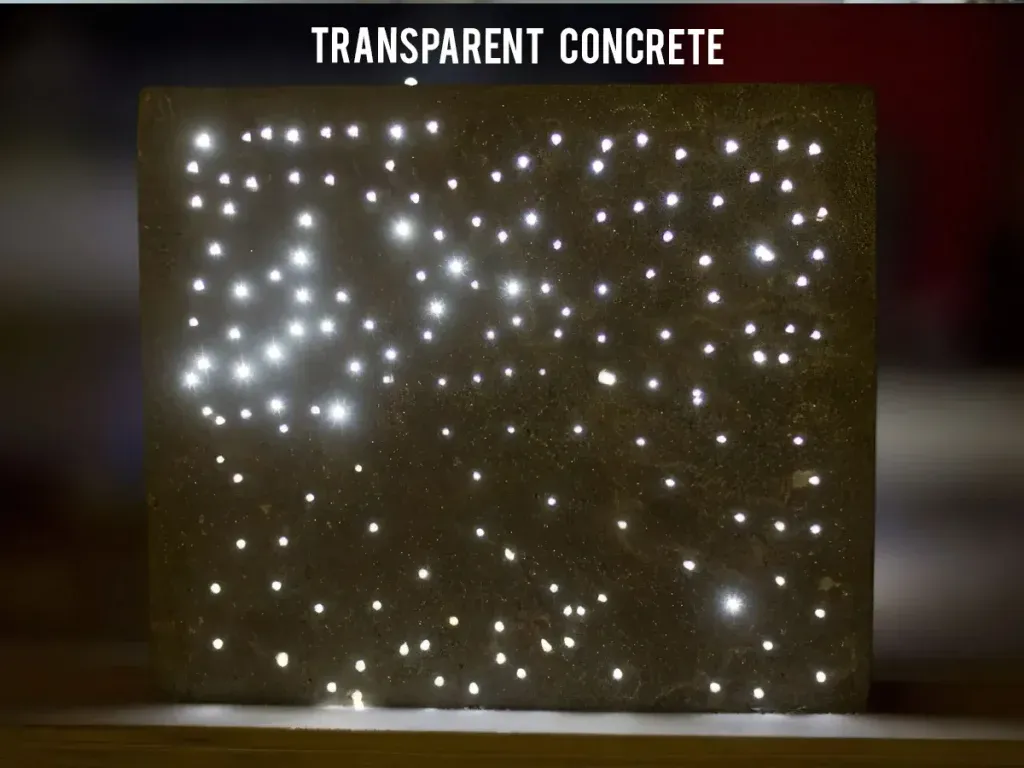
inab, as one of the leading producers of translucent concrete in Iran, specializes in the custom production and installation of this innovative and unique material. By working closely with designers and architects, the company offers the ability to create translucent concrete tailored precisely to the specific requirements of various projects. Enab’s translucent concrete can be used in a wide range of applications, including transparent facades, walls, flooring, and interior spaces, contributing to creative and aesthetically striking architectural designs. Through this customized approach, Enab enables designers to easily incorporate this distinctive material into their architectural projects.
Advantages of Transparent Concrete
Transparent concrete offers a range of compelling advantages, making it an increasingly popular choice in modern construction:
- Design Flexibility: It seamlessly integrates into diverse architectural styles, enabling highly creative and contemporary designs.
- Weather Resistance: This material maintains its structural integrity and aesthetic appearance even under varied and challenging environmental conditions.
- Light Transmission: Its key feature is allowing natural light to pass through, significantly enhancing interior brightness without compromising structural strength.
- Aesthetic Appeal: Transparent concrete provides a sleek, futuristic look that adds significant visual interest and elegance to any building.
- Energy Efficiency: By reducing the reliance on artificial lighting, it directly contributes to lower energy consumption, supporting sustainable building practices.
The Future of Transparent Concrete
The future of architecture increasingly hinges on the convergence of aesthetics, efficiency, and sustainability. In this evolving landscape, Inab Group’s transparent concrete is poised to play a pioneering role.
At a time when the distinctions between traditional and modern materials are blurring, Inab’s transparent concrete empowers architects to embrace light as an intrinsic part of a structure, transforming technology into meaningful design. This material acts as a bridge between imagination and construction, between form and function. It’s a powerful tool in the hands of tomorrow’s architects, enabling them to create cities that are simultaneously smart, human-centered, and truly sustainable.